

Why Roses Still Matter on Valentine’s Day
Every February, roses take centre stage, in windows, on doorsteps and in the hands of people trying to say something that words do not quite capture. While trends in colour, style and sentiment may shift, the rose remains the enduring symbol of Valentine’s Day. But why?
To understand why roses still matter, it helps to look at the history of Valentine’s Day itself, and how flowers became part of the story.
The origins of Valentine’s Day
Valentine’s Day is believed to trace back to ancient Rome, with roots in the festival of Lupercalia, a mid-February celebration associated with fertility and renewal. Over time, the day evolved into a Christian feast day honouring Saint Valentine, a figure surrounded by legend, most famously for secretly marrying couples against the wishes of the Roman emperor.
By the Middle Ages, Valentine’s Day had become closely linked with romantic love. Poets like Chaucer wrote of birds choosing their mates on 14 February, and handwritten love notes, early “valentines”, became a popular way to express affection across Europe.
Flowers entered the tradition naturally. Long before printed cards and chocolates, blooms were used to communicate emotion, often carrying meaning without the need for words.
Why roses became the flower of love
Roses have symbolised love for thousands of years. In Greek and Roman mythology, the rose was closely associated with Aphrodite and Venus, goddesses of love and beauty. The flower’s form, soft, layered petals contrasted with protective thorns, became a metaphor for love itself. Beautiful, powerful and vulnerable all at once.
By the Victorian era, roses had firmly cemented their place in romantic expression. During this time, the language of flowers, known as floriography, flourished, and each bloom carried a specific meaning. Red roses came to represent deep love and devotion, while softer pastel shades spoke to admiration, grace and tenderness.
These meanings endure today. A rose still says I love you in a way few other gestures can.
Roses and romantic florals today
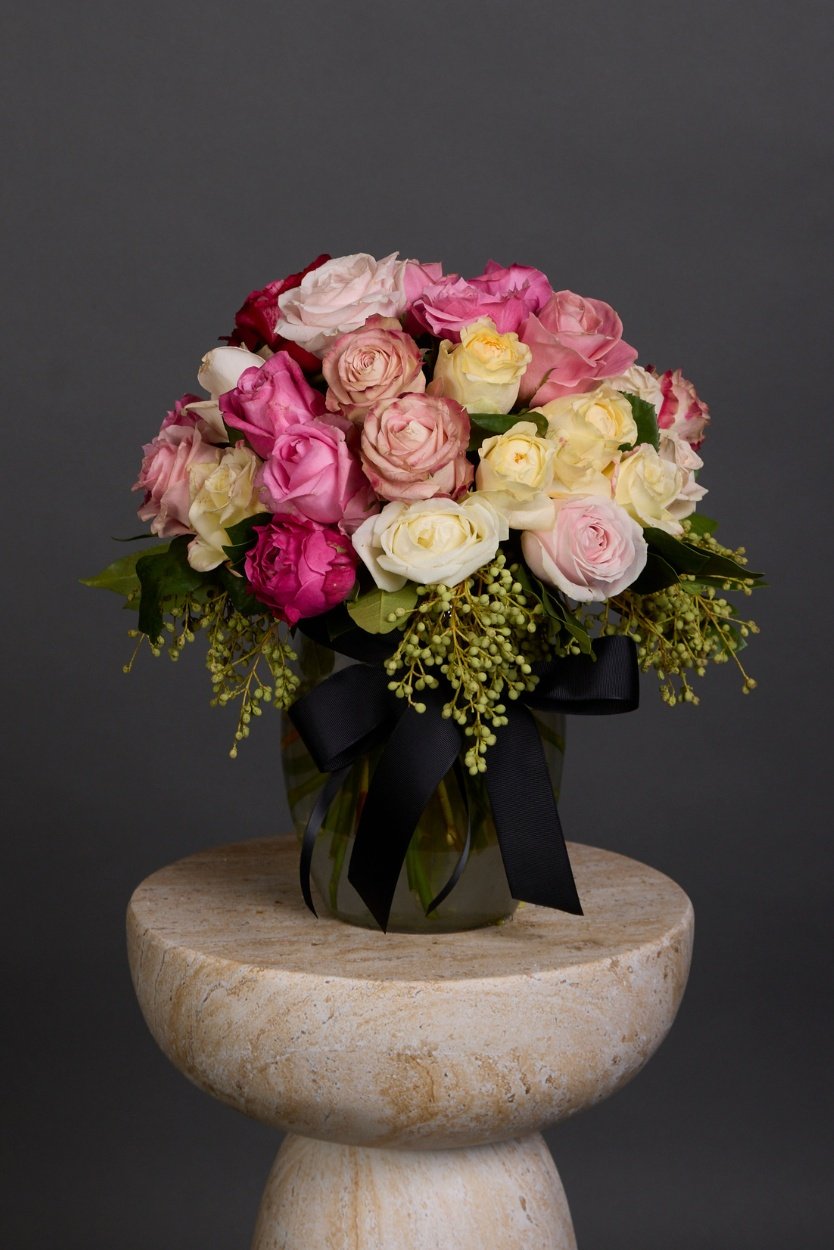
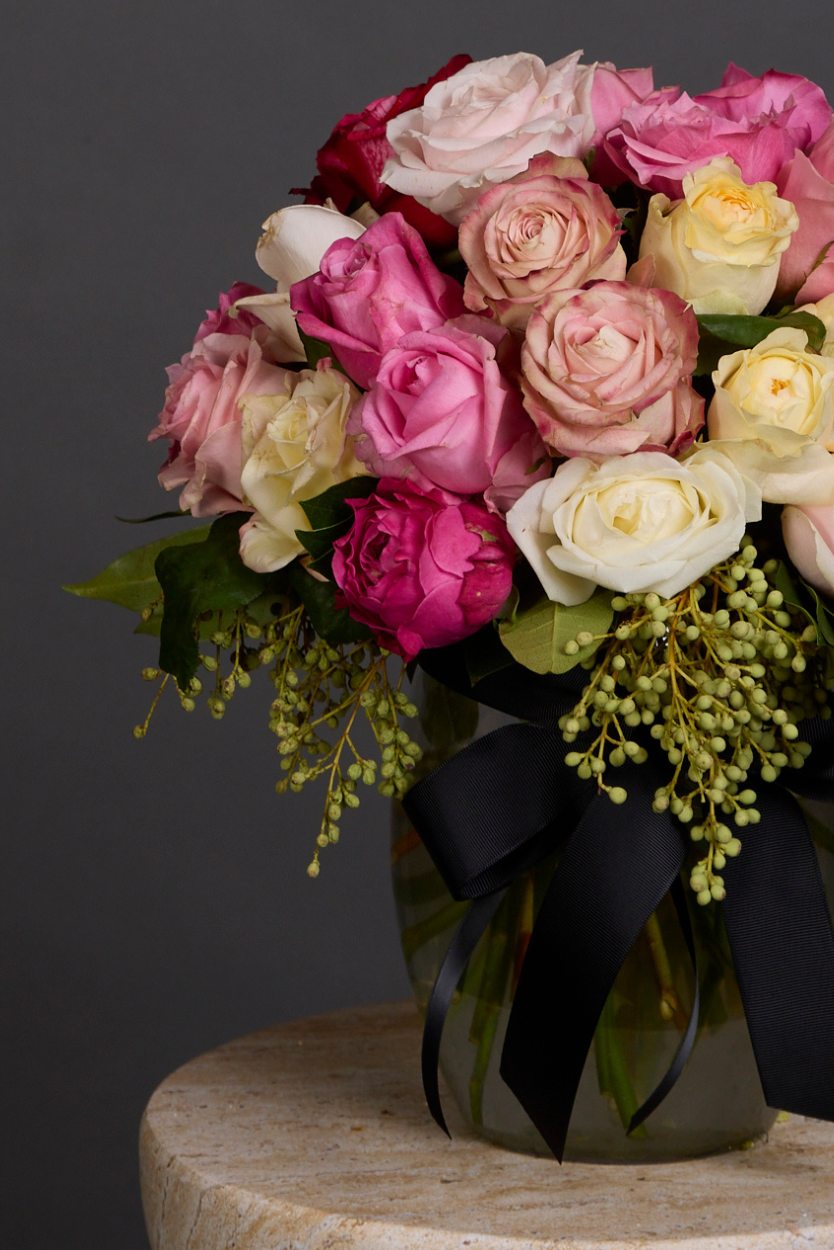
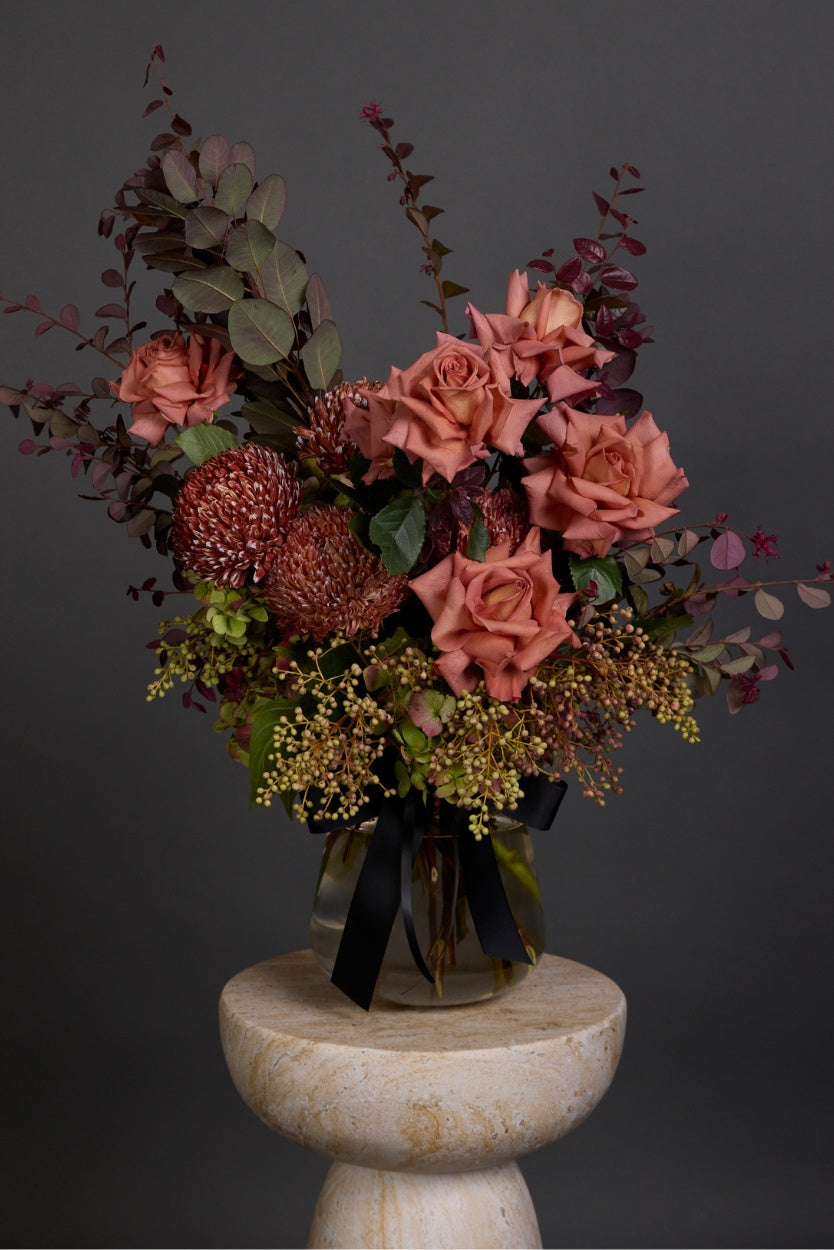
While the symbolism of roses is timeless, the way we gift them continues to evolve. Classic long-stemmed red roses remain iconic, confident, elegant and unmistakably romantic. Pastel roses offer a softer expression of love, perfect for those drawn to subtlety and grace.
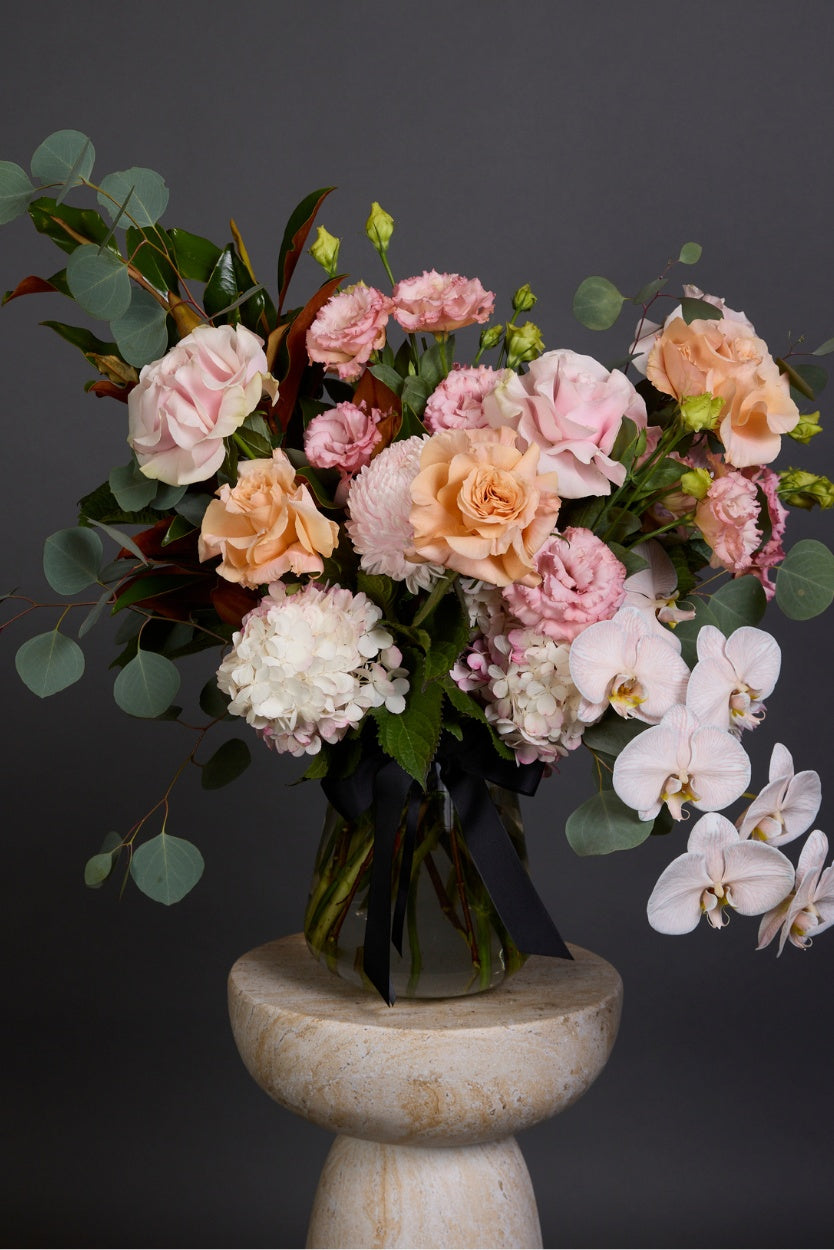
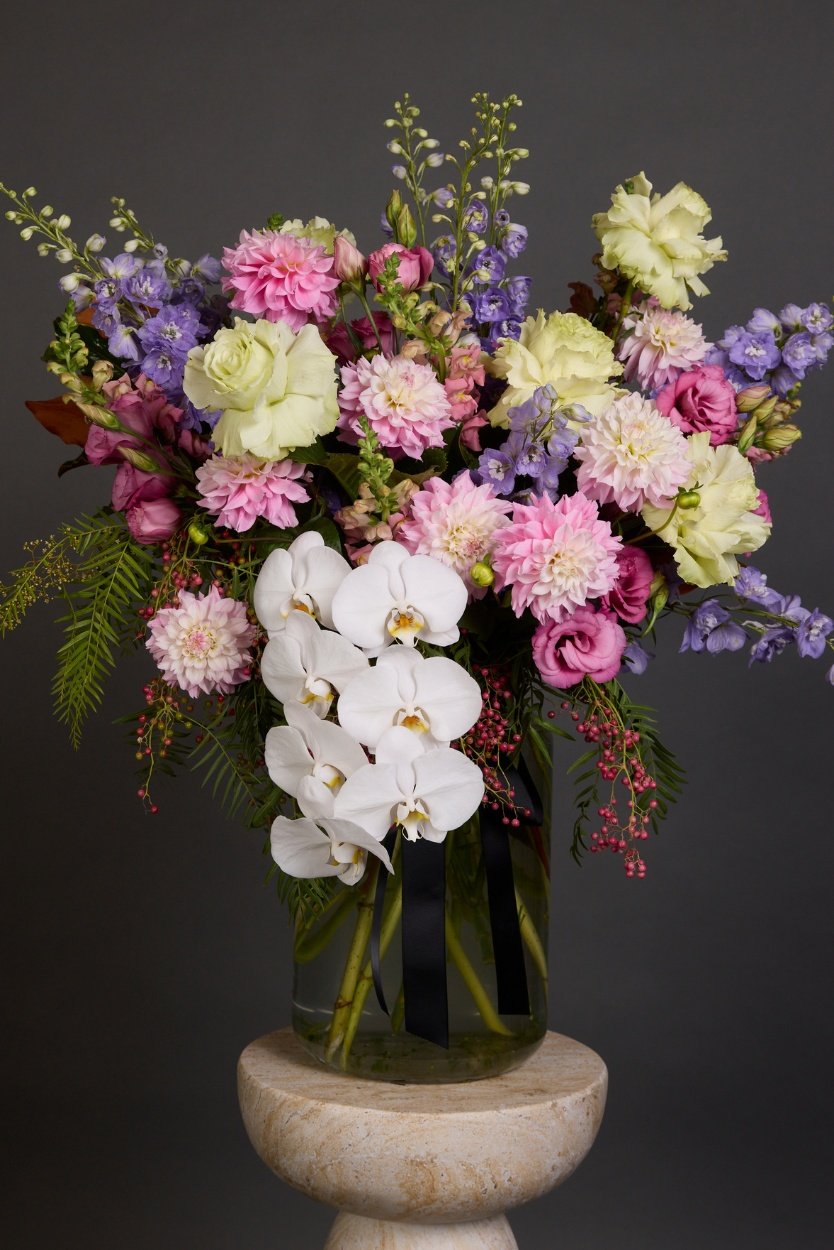
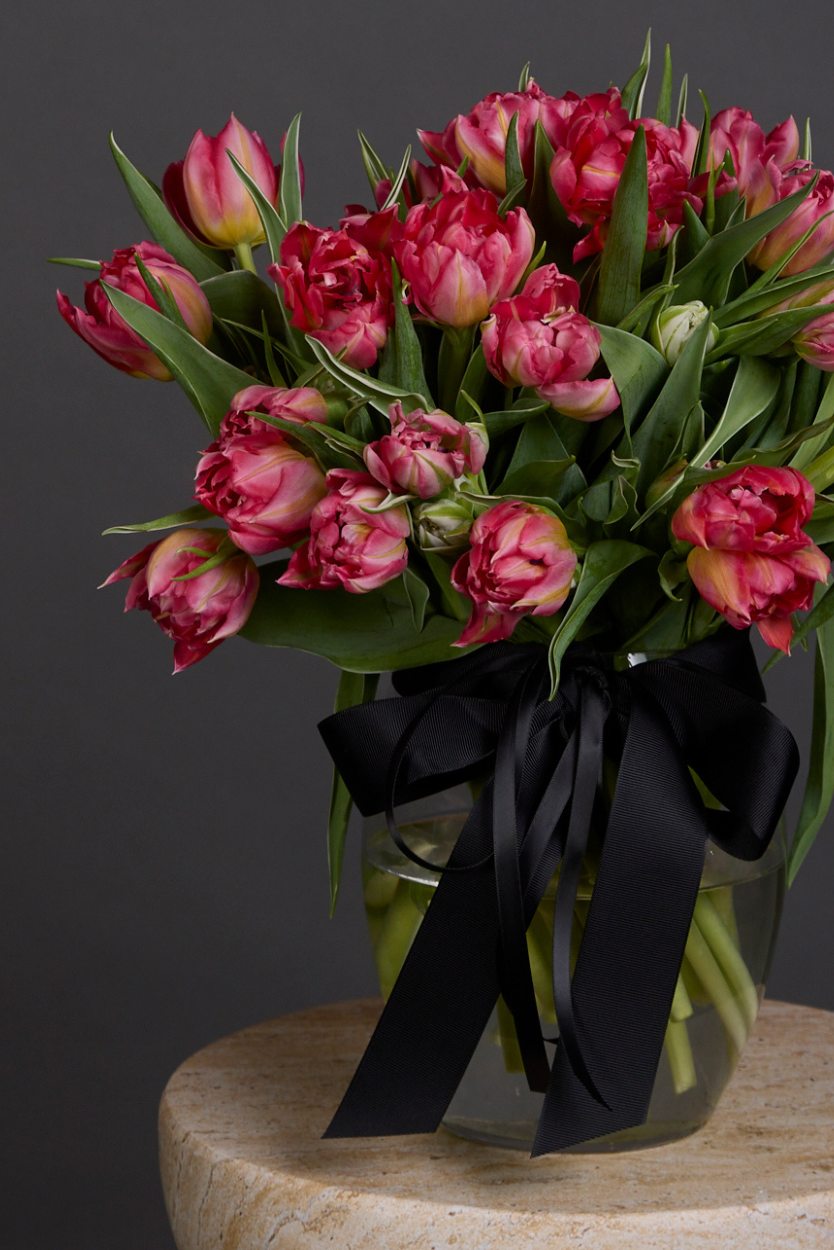
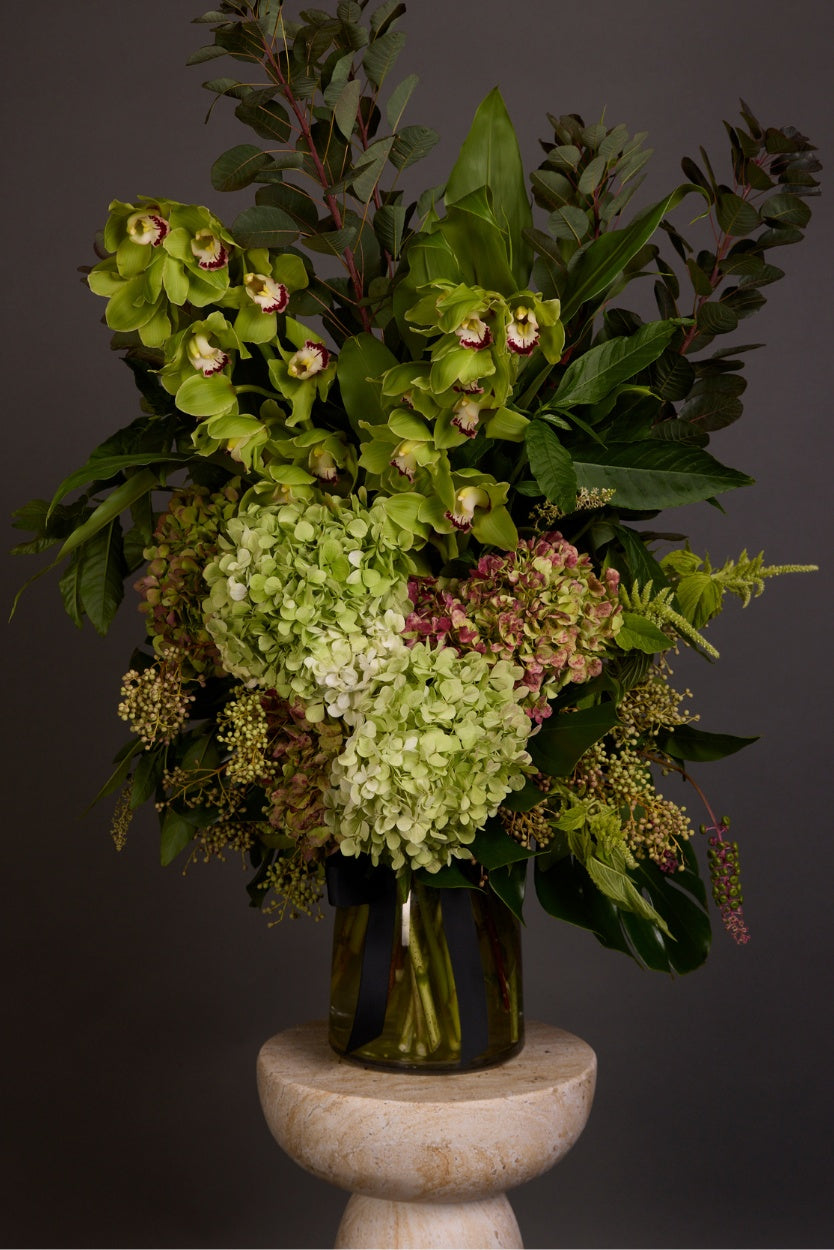
Alongside traditional rose bouquets, modern mixed floral arrangements have become a much-loved choice. These designs often include roses layered with seasonal blooms, styled with natural movement and soft textures, and finished in contemporary romantic colour palettes. Thoughtfully composed rather than rigid, they offer a fresh way to celebrate Valentine’s Day while still honouring tradition.
Because at their heart, Valentine’s Day flowers are not about following trends. They are about connection.
And that is why, year after year, roses and beautifully styled florals of all kinds continue to matter.